
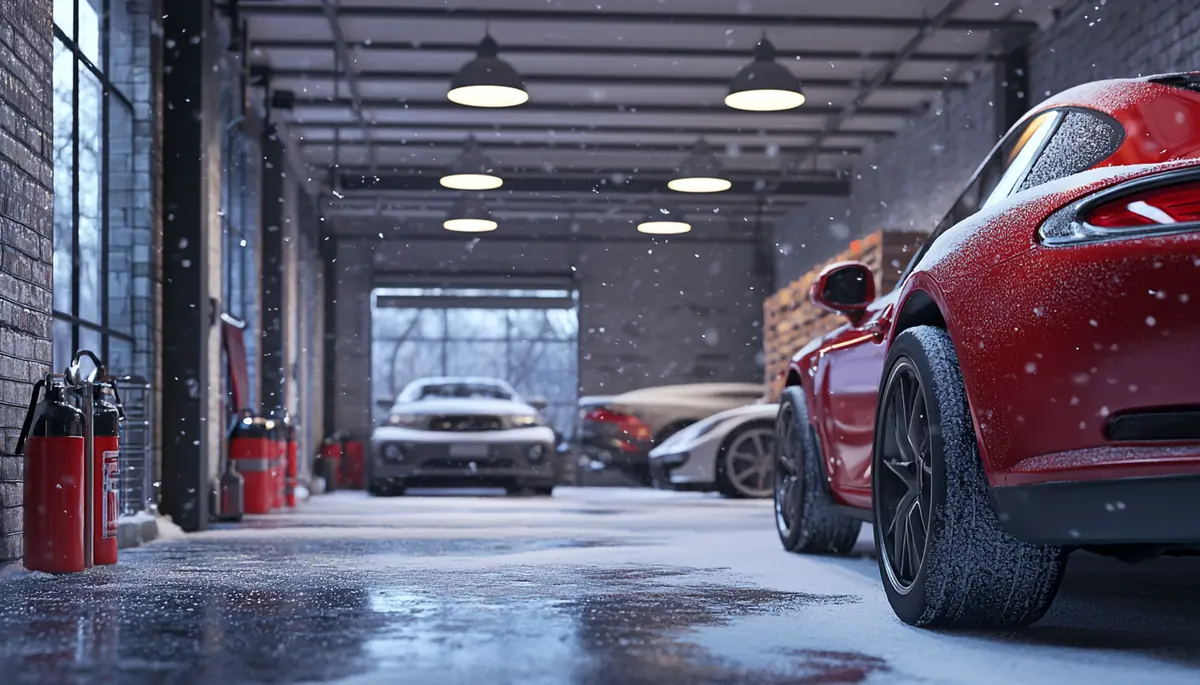
Bon, alors on y est, l’hiver arrive avec ses températures glaciales, et toi, tu veux protéger ta bagnole pour qu’elle t’attende bien au chaud jusqu’au printemps. Tu fais bien ! Laisser ta voiture dehors, à la merci du froid, c’est comme laisser ton chat dehors sans couverture. Mauvaise idée. Heureusement, je suis là pour te guider pas à pas dans cet entreposage hivernal. Allez, c’est parti !
Choosing the Ideal Place for Hibernation
First of all, you need a top spot for your car to have a good winter. If you have a garage, that’s great. But not just any garage, one that doesn’t let drafts in, okay? A well-insulated place! If you don’t have one, no worries, you can always put it in a dedicated storage space or rent a spot. The main thing is to avoid letting it take the snow and rain directly in for months.
- Private garage: ideal if you have a good, dry garage that doesn’t have drafts.
- Storage space rental: this exists and can be worth it for those who don’t have space at home.
- Protective tarp: if you have no other option, go for a quality tarp. Get a breathable one to prevent moisture from getting trapped underneath and turning your car into a tropical greenhouse.
A Good Cleaning Before the Big Sleep
Now this part is non-negotiable. Before storing your car for several months, it needs to be spotless. Why? Because dirt, dust, and especially road salt can cause serious damage if you leave it like that all winter.
Interior and Exterior: Make It Shine!
- Exterior wash: a good wash with water, soap, and a thorough rinse. Watch out for the salt, okay? It needs to be completely removed. Once that’s done, apply a wax to protect the bodywork.
- Interior wash: clear out everything lying around, even that old bag of chips forgotten under the seat. A vacuum for the carpets, a quick wipe down for the dashboard, and there you go, all clean. It also prevents strange odors from creeping into the cabin.
- Windows: clean all the windows well, and don’t forget the door seals to prevent them from sticking during the winter.
Preparing the Engine and Fluids
The engine is the heart of your car. And winter is a bit like a hibernation season for it. So, it needs some attention. Let’s do a complete check-up of the fluids.
Oil Change, Don’t Skip It!
If you plan to leave your car still for more than three months, do a complete oil change. Used oil can contain impurities, and trust me, you don’t want that stagnating in your engine for months. Put in fresh oil before saying goodbye to your ride.
Coolant and Antifreeze: Safety First
- Coolant: check the level and make sure it is properly mixed with antifreeze to prevent it from freezing inside the engine.
- Antifreeze windshield washer fluid: replace your regular windshield washer with a product that doesn’t freeze. If you ever need your car in the middle of winter, you’ll thank me!
The Tires, Don’t Forget Them
The tires are a bit like the feet of your car. And staying still for months can damage them, especially if the pressure isn’t right.
Elevate or Inflate, That Is the Question
- Inflate: slightly increase the pressure of your tires before storing the car. This prevents them from deforming under the car’s weight.
- Elevate: if you are very meticulous, you can elevate your car with jack stands to avoid the tires touching the ground. It takes a bit more work, but it’s top-notch for protecting your tires.
Battery: A Special Attention
The battery is often the one that suffers when you leave your car unused for several months. And that’s where it gets annoying because if it completely drains, you might have a nasty surprise in the spring.
Disconnect or Maintain?
Two options are available to you:
- Disconnect: if you plan not to touch your car at all during the winter, you can completely disconnect the battery. This prevents it from discharging.
- Maintenance charger: if you want to keep it connected but ensure it doesn’t drain, a maintenance charger is a good option. It keeps the battery at an optimal level without overloading it.
Tank: Full or Empty?
Here’s a question that divides opinions. Should you leave the tank full or empty before storing the car for winter?
- Full: the best solution is to leave the tank completely full. Why? Because it prevents moisture from accumulating inside, which can cause corrosion.
- Fuel additive: some add a fuel stabilizer to prevent the gas from degrading. This is especially recommended if you don’t plan to touch your car for 6 months or more.
Braking System
One last small tip: don’t leave the handbrake engaged throughout the storage period. With humidity, the pads might stick to the discs, and that can cause damage. Instead, place chocks behind the wheels to prevent the car from moving.
Some Additional Precautions
Okay, a few last tips for your car to have a smooth winter:
- Dehumidifier: a small moisture-absorbing bag inside can work wonders to prevent condensation and moldy odors.
- Raised wipers: to prevent your wipers from sticking to the windshield, raise them or put them on a cloth.
- Block air intakes: to prevent rodents or other small creatures from turning your car into a hotel, think about blocking the exhausts and air intakes with cloths or rodent repellents.


